Gas Line Safety: What Every Arizona Homeowner Should Know
Gas is the one plumbing system where a mistake is not measured in dollars. Here is what to recognize, what to do, and what proper installation looks like.
Published March 28, 2026
Recognizing A Gas Leak
Natural gas is odorless by nature. Utilities add mercaptan, which produces the distinctive rotten-egg smell, specifically so leaks are detectable. That odor is never something to investigate casually.
- •A sulfur or rotten-egg smell indoors or near the meter
- •Hissing or whistling near a gas line or appliance
- •Yellow or orange burner flames instead of steady blue
- •Soot accumulation around appliance vents
- •Dead or discolored vegetation over an underground line
- •Unexplained headaches, dizziness or nausea in the household
What To Do Immediately
If you suspect a leak, act in this order and do not deviate. Do not operate any electrical switch, appliance or garage door opener, and do not use a phone inside the building — any of these can produce an ignition source.
Leave the building with everyone inside, including pets. Once outside and at a distance, call your gas utility's emergency line. After the utility has made the area safe, call a licensed plumber for the repair.
Never attempt to locate or repair a gas leak yourself, and never rely on soapy water testing as a substitute for professional pressure testing.
Why Proper Installation Matters So Much
Most gas problems we encounter originate at installation. The most common defect is undersized piping: a line adequate for one appliance is teed into for a second, and neither performs correctly under simultaneous demand.
Correct installation begins with a BTU load calculation covering every connected appliance and the developed pipe length to the furthest one. Each segment is then sized so pressure drop stays within code limits at full simultaneous load.
CSST flexible gas piping must be bonded to the electrical grounding system — a step routinely missed by unqualified installers and a genuine lightning-related fire risk when omitted.
Permits Are Not Optional
New gas lines and extensions require permits and inspection in essentially every Valley jurisdiction, including Mesa, Gilbert, Chandler, Tempe and Scottsdale. The inspection exists because gas mistakes are not self-correcting.
Unpermitted gas work also creates insurance exposure. If an incident traces to unpermitted piping, coverage disputes follow. The permit fee is trivial compared to that risk.
Outdoor Fire Features And Grills
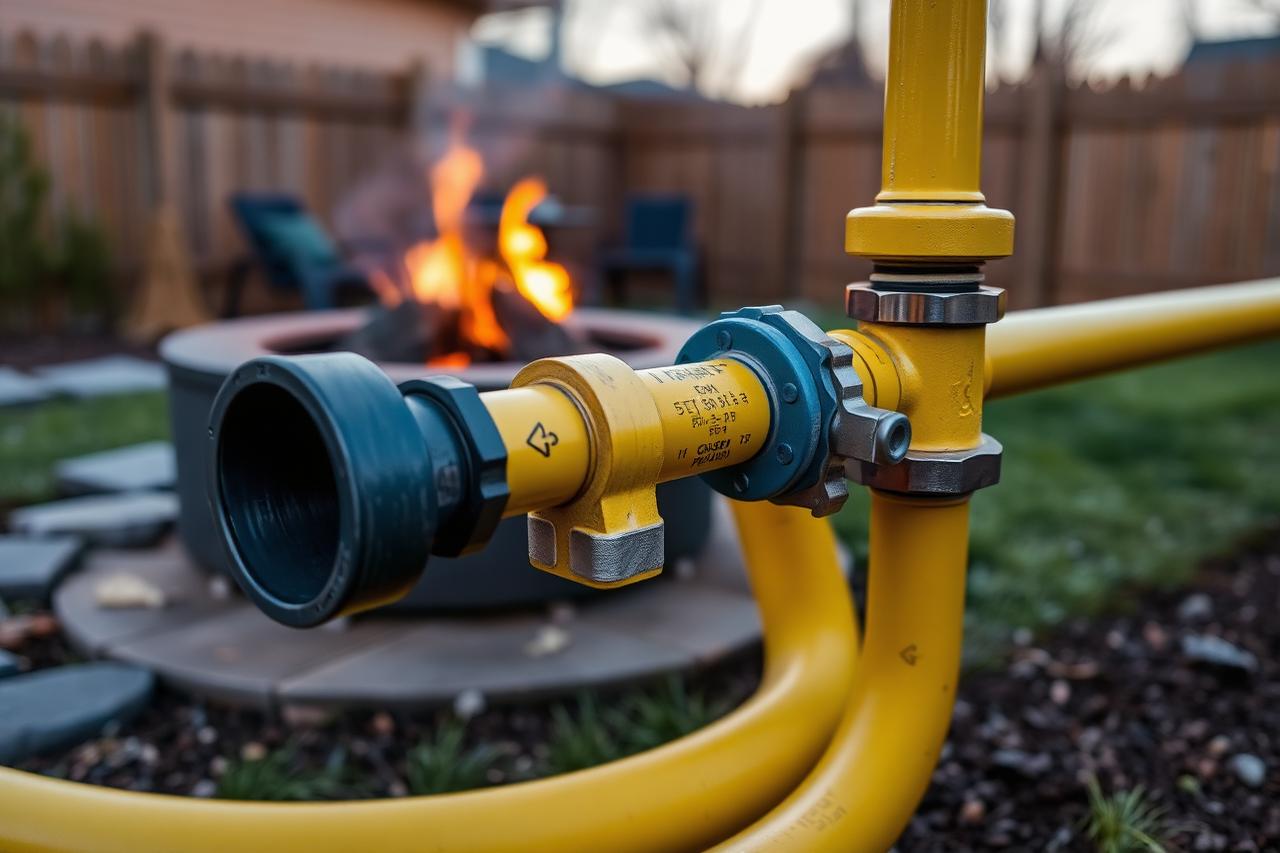
Fire pits, built-in grills and patio heaters are among the most popular gas additions in Arizona backyards, and they carry specific requirements: an accessible emergency shut-off outside the enclosure, correct burial depth and tracer wire for underground runs, and pressure testing before backfill.
Plan the stub-out location with your hardscape design before concrete is poured. Retrofitting a gas line under finished pavers is considerably more expensive than planning for it.
The Takeaway
Gas work belongs with licensed, permitted professionals. Prestige Plumbing Company installs and repairs gas piping throughout the East Valley — call (480) 863-0564.